
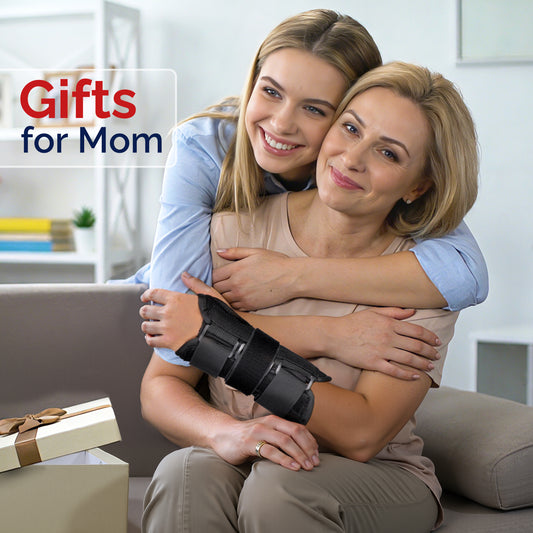


What Are the Main Types of Wrist Braces?
Not every wrist brace is built for the same purpose. Some are designed to keep the wrist feeling supported during everyday tasks, while others add more structure or extend around the thumb. Knowing the basic types of wrist braces makes it easier to compare what you are actually buying.
| Brace Style | Coverage | Best For | What to Expect |
|---|---|---|---|
| Wrist-only brace | Around the wrist | Everyday routines, light tasks, and general support | Keeps the thumb free for normal movement |
| Wrist brace with thumb support | Wrist and thumb area | When you want added coverage around the base of the thumb | Offers less thumb freedom than a wrist-only style |
| Structured wrist splint | Wrist with a firmer support panel | Rest periods or times when you prefer a steadier feel | May feel too restrictive for active tasks |
| Flexible wrap-style brace | Wrist with adjustable straps | Daily use when you still need to move your hand freely | Support can vary based on how it is adjusted |
How to Choose the Right Wrist Brace
Start with the area you want the brace to cover. A wrist-only design keeps the thumb free, while a thumb-support design gives you coverage farther around the base of the thumb.
Next, consider how much structure you want. A flexible brace is easier to wear during everyday tasks, while a firmer style may feel more secure when you want less wrist movement. Some wrist supports keep the wrist in a more neutral position — choose one when you want a steadier fit.
Finally, think about when you will use it. For typing, driving, and daily routines, comfort and freedom of movement matter. For rest or nighttime use, you may prefer a steadier fit. The right wrist brace is the one that feels practical for the routine you actually have.
Choose a Wrist Brace for Your Daily Routine
The best wrist brace depends on what your day looks like. Start with the tasks you do most often, then choose a design that fits those movements.
For typing and desk work
Choose a lower-profile brace that feels comfortable while you type, use a mouse, or write. A wrist-only style may be a better fit when you need your thumb and fingers to move freely.
For hands-on work
If you spend the day driving, lifting light items, or using tools, look for adjustable straps and a design that stays in place. The brace should feel secure without making routine hand movements awkward.
For rest and nighttime use
A more structured wrist brace may feel better when you want a steadier fit during rest. Before wearing one for several hours, check that the edges, straps, and overall feel are comfortable.
Match the brace to your routine
You do not need the most structured option for every situation. Choose the style that feels practical for the way you actually use your hands.
Check the Fit Before You Buy
Fit matters as much as brace style. A wrist brace that looks right on paper may still feel awkward if the size or strap placement is wrong.

- Measure your wrist first: Use a soft measuring tape around your wrist where the brace will sit. Then compare that measurement with the product size guide. Do not choose based only on your usual clothing size.
- Check your range of movement: Once you put the brace on, open and close your hand. Move your fingers and thumb as you normally would. The brace should stay in place without getting in the way of simple daily tasks.
- Adjust for comfort: Start with a snug fit, then adjust the straps gradually. The brace should not pinch, rub, or feel overly tight. If you need to keep readjusting it, a different size or style may be a better choice.
Small Design Details That Matter
Two wrist braces can offer similar coverage but feel very different once you wear them. Look beyond the overall style and check the smaller details before you buy.
- Straps and closures: Adjustable straps make it easier to fine-tune the fit. Check whether the closure feels easy to use with one hand and stays comfortable during movement.
- Thumb opening: If the design covers part of the thumb, make sure the opening does not rub or limit the movements you use most often.
- Profile and bulk: A thicker or more structured brace may feel secure, but it can be less convenient under a sleeve or during hands-on tasks.
- Material feel: For longer wear, look for smooth edges and breathable materials that feel comfortable against your skin. A good fit should still allow normal hand movement.
Common Mistakes When Choosing a Wrist Brace
Avoid these common pitfalls when shopping for a wrist brace:
- Choosing by appearance alone: A brace may look supportive but still feel too bulky, too stiff, or too loose for your normal routine.
- Choosing more coverage than you need: A thumb-support design gives you more coverage around the thumb area, but it may feel restrictive if you need to move your thumb often.
- Ignoring fit: A brace that slides, pinches, or needs frequent readjustment is unlikely to be comfortable for long. Check the size guide and adjustable straps before making your choice.
Frequently Asked Questions
-
What type of wrist brace do I need?
Start with the coverage and structure that fit your routine. A wrist-only design leaves the thumb free, while a thumb-support design extends farther around the base of the thumb. Flexible and structured styles also feel different during everyday use. -
Should I choose a wrist-only or thumb-support design?
Choose a wrist-only style if you want support around the wrist while keeping your thumb free for everyday movement. Choose a thumb-support design if you prefer added coverage around the thumb area. -
How should a wrist brace fit?
A wrist brace should feel secure without pinching, rubbing, or making your fingers feel restricted. Adjustable straps can help you fine-tune the fit. -
Can I wear the same wrist brace during the day and at night?
Sometimes, but not always. A flexible style may feel more comfortable during daytime tasks, while a more structured design may feel better for rest. Choose based on when you expect to wear it most.
Find the Right Wrist Brace
Not sure which style suits you best? Browse FEATOL wrist braces and find the one that fits your daily routine.


