Lower back pain relief begins with smart stabilization—this guide shows how back braces reduce strain, when to wear them, and which habits speed recovery.
When sharp pain stops you from bending, or stiffness strikes after sitting—your disc is asking for help. This is when you need reliable support: a lower back brace offers instant stability, reduces pressure, and protects against further strain.
True healing extends beyond the disappearance of pain. Here’s what makes us different: our brace isn’t just external support—it’s where active recovery begins.
Decode Your Pain: It’s Not What You Think
Every year, more than 3 million people in the U.S. get a herniated disk. Disc herniation is a common source of pain that can affect the neck, back, and legs. It can happen anywhere along your spine, but they most often occur in your lower back.
Source: https://my.clevelandclinic.org/health/diseases/12768-herniated-disk
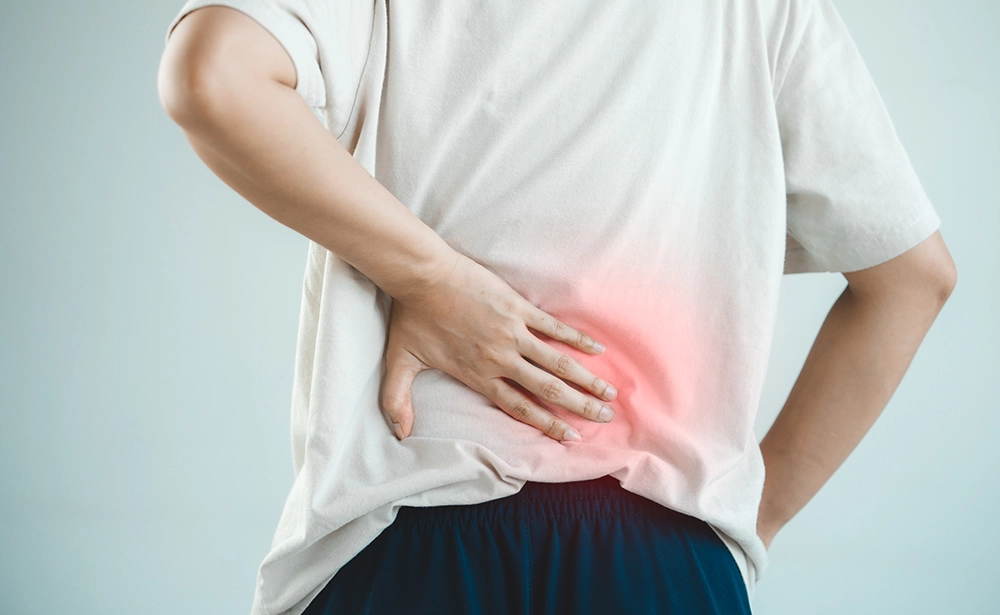
A herniated disc is a common source of sharp lower back pain. When the outer layer weakens—due to age, lifting, or strain—the soft center can push out, irritating nerves. That pain is your body’s alarm system.
A common approach involves using pain medication or rest for immediate symptom management. But real lower back pain relief comes from addressing the root cause: reducing pressure on the disc and stabilizing the area—which is where the right approach to support becomes essential.
Your First Line of Defense: How a Quality Back Brace Works
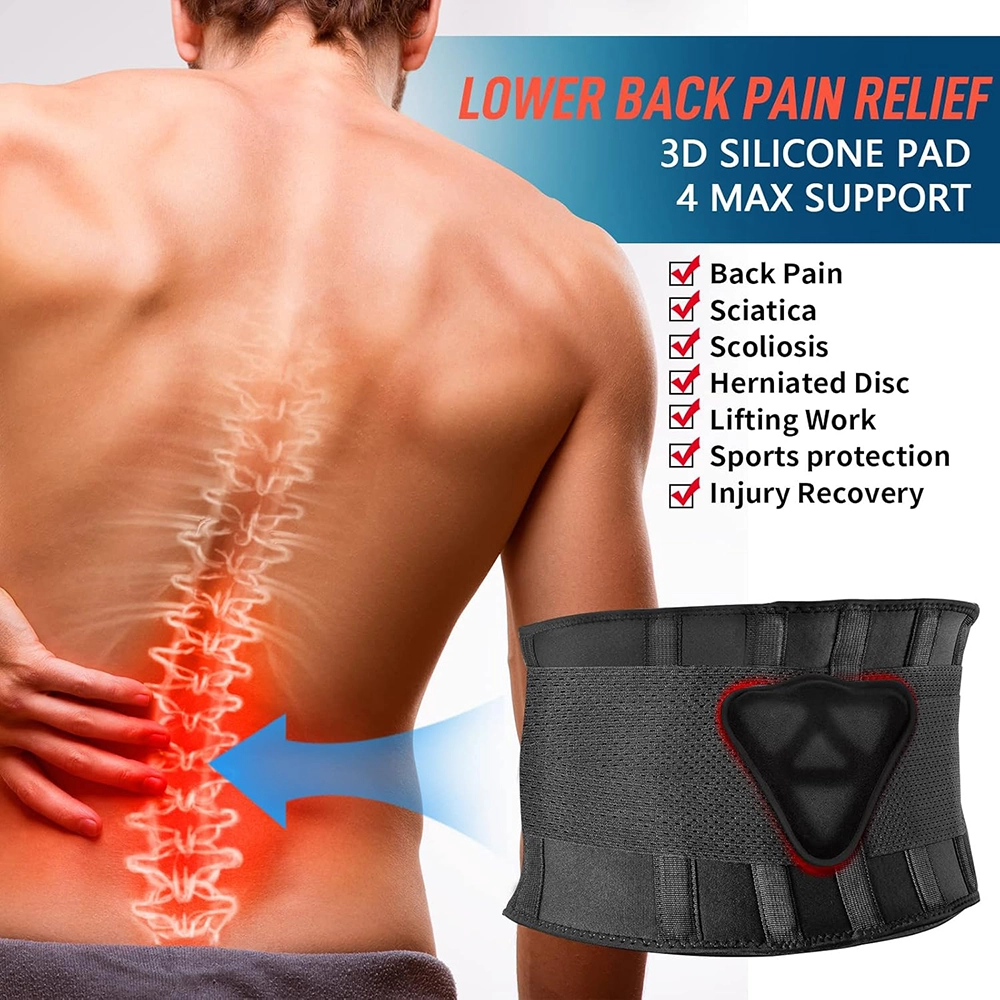
A back brace offers external support to the lumbar region. This brace is meant to be your recovery ally, getting you through tough movements or acute pain without creating a lasting reliance. A well-designed brace assists in three primary ways:
- ✅Provides stability to the lower spine
- ✅Helps reduce pressure on discs and muscles
- ✅Limits excessive or painful movement
This support can help manage discomfort and create a more favorable environment for healing. When selecting a brace, key features to consider include materials, breathable design, and adjustable fit. For example, some braces incorporate supportive panels and moisture-wicking fabric for all-day comfort.
For best results, experts recommend wearing your brace strategically during symptom-provoking activities instead of around the clock. The objective is temporary support during the recovery process.
The FEATOL Advantage – How Our Design Delivers More Than Just Support
The FEATOL lower back brace goes beyond basic support with thoughtful design for real-life needs:
- Smart Support
Made with breathable, flexible materials, it offers both stability and all-day comfort—moving with you freely. - Quick-Adjust System
The one-pull tension system allows easy tightening and loosening anytime, anywhere. Adjust easily on the go without interrupting your day. - Discreet Design
Its low-profile build stays hidden under clothing, while durable construction ensures long-lasting use.
FEATOL delivers support that fits into your life—so you can focus on living it.
When to Wear Your Brace: Maximizing Relief During Your Day
Your brace isn’t meant to be worn all day—instead, use it during specific activities when your lower back needs extra support. Here’s how to make the most of it throughout your day:
- During prolonged sitting
Whether you’re at a desk or driving, wearing your brace can help maintain better posture and reduce lower back strain. - When lifting or doing chores
For activities like gardening, light housework, or grocery shopping, that’s an ideal time to use your brace for extra support. It reminds your core to engage and helps protect your spine during movement. - While exercising
For activities like walking, light strength training, or stretching, the brace offers subtle feedback to support safe and stable form. - During flare-ups
If you’re experiencing significant soreness or instability, short-term use can help ease muscle spasms and reduce pressure while you recover.
Listen to your body—the goal is support, not dependence. A well-designed brace works quietly in the background, helping you stay comfortable and active throughout your day.
The Smarter Recovery: Pairing Your Brace for Better Results
Think of your back brace as a trusted training partner—it’s there to support you while you rebuild strength, not to do the work for you. While a brace offers immediate stability, lasting recovery comes from pairing it with smart habits that promote healing and restore function.
Here’s how to use your brace wisely as part of a balanced routine:
Use it during high-risk activities
Wear your brace when you’re gardening, lifting, driving long distances, or sitting through back-to-back meetings. It helps you maintain safer alignment and reduces strain when your muscles are fatigued.
Take it off to move and strengthen
During light walking, doing physical therapy exercises, or performing approved stretches, go brace-free. This allows your core and back muscles to activate naturally—which is essential for long-term recovery.
Listen to your body
If you feel your form slipping or sense familiar discomfort during movement, it’s okay to use the brace for extra feedback.
Combine with daily mobility
Gentle movement—like walking or easy stretching—increases blood flow, reduces stiffness, and supports disc health. Your brace helps create a foundation of confidence so you can stay consistently active.
A smarter recovery isn’t about relying on a brace—it’s about using it strategically so you can heal effectively, move safely, and return to the things you love, stronger than before.
Your Journey to Relief Starts Here
Explore the solution designed for your recovery journey. Get the brace designed for smart recovery and start cracking your code to comfort today.
Real relief comes from a holistic strategy where targeted support meets active recovery—this is the path to sustainable comfort.
Real Stories
“Teaching kept me on my feet all day until lower back pain made it unbearable. My physical therapist suggested a back brace for support during work. It made a huge difference—less fatigue, better posture, and no one even notices I’m wearing it.”
— Maria, 42, Teacher, Portland, OR
“After a herniated disc diagnosis, I needed to keep working safely. I use a brace during lifting or long site walks. It’s adjustable, breathable, and helps me avoid reinjury. Paired with daily stretches, it’s let me stay active and stick to my treatment plan.”
— James, 35, Construction Manager, Austin, TX
Back Brace FAQs
- How long can I wear a back brace daily?
For effective support, wear your back brace during high-strain activities like lifting or extended sitting, typically 1-2 hours at a time. This helps provide lower back pain relief while encouraging natural muscle engagement. - Can a back brace help with a herniated disc?
When used under medical guidance, a brace can support herniated disc treatment by reducing pressure on affected nerves. For best results, pair your brace with physical therapy and targeted stretching exercises. - Do I still need to stretch if I use a brace?
Yes. While a brace offers stability, incorporating gentle stretches for lower back pain helps maintain flexibility and addresses muscle imbalances that contribute to discomfort. - When should I avoid wearing my brace?
Remove your brace during rest periods or sleep unless directed otherwise by your doctor. Continuous wear can lead to muscle dependence rather than supporting natural recovery. - How do I choose the right back brace?
Look for adjustable support, breathable materials, and proper sizing. A well-fitted brace should feel supportive without restricting movement or breathing. - Can a brace replace other treatments?
A back brace works best as part of a comprehensive approach. For lasting lower back pain relief, combine bracing with approved exercises and professional medical advice for your herniated disc treatment.
Explore more FEATOL Back Brace @ FEATOL.com
References
- PMC – Multidisciplinary management of low back pain (2024):
https://pmc.ncbi.nlm.nih.gov/articles/PMC10838400/ - Cleveland Clinic – Herniated Disk: Symptoms, Causes & Treatment:
https://my.clevelandclinic.org/health/diseases/12768-herniated-disk