Thumb brace is one of the most effective non-surgical solutions for relieving pain caused by Gamekeeper’s Thumb and other thumb ligament injuries. If you’re experiencing thumb articulation pain, swelling, or weakness after repetitive strain or sudden injury, the right thumb brace can stabilize the joint, reduce inflammation, and prevent further damage—while allowing your hand to rest and heal properly.
This guide explains what Gamekeeper’s Thumb is, why thumb ligament injuries are so painful, and how choosing the right thumb spica splint or supportive thumb brace can help you regain comfort, protect your thumb joint, and return to daily activities with confidence.
That stabbing pain when you grip something? It could be Gamekeeper’s Thumb. This injury causes nagging thumb articulation pain and weakness that can sideline anyone—not just athletes.
Finding the right thumb brace or thumb spica splint is the first step to real relief. Here’s a straightforward guide to choose the best support for your recovery. We’ll also examine how the FEATOL Thumb Brace meets these specific needs.
What is Gamekeeper’s Thumb? Not Just for Athletes
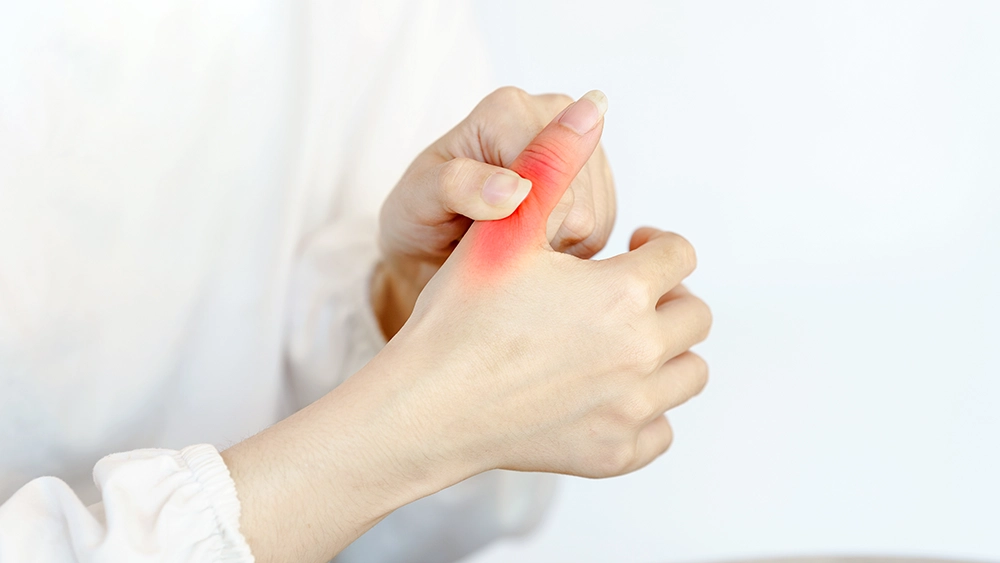
Gamekeeper’s Thumb is an injury to the ulnar collateral ligament (UCL)—the critical stabilizer on the inner side of your thumb joint. This injury typically occurs when a force pulls your thumb backward or sideways, away from your hand.
Common symptoms include:
- Persistent inner thumb pain at the joint base
- Noticeable swelling and tenderness
- Compromised grip strength making tasks like turning keys difficult
- Thumb instability when pinching or grasping objects
Though often linked to sports, this injury can result in anyone using forceful hand motions—from workers to parents lifting children. This condition can affect anyone who regularly overuses their thumbs in their daily routine.
Rest and other measures at home can help heal a mild injury. You may need to wear a splint or a cast for 4 to 6 weeks.
Source: Skier’s or Gamekeeper’s Thumb: Care Instructions
Why Support is Key: The First Step to Recovery
Think of it like a deep cut on your skin. If you keep bending the area, the wound has trouble healing and can easily reopen. The same goes for ligament injuries: they need a stable, undisturbed environment to properly recover.
Without proper stabilization after injury, things can take a turn for the worse. Every unintended sideways movement can reinjure the ligament while it’s trying to heal.
If left untreated, a simple thumb sprain can lead to lingering pain, an unstable joint, or even arthritis later on. What could have been a short-term issue may become a long-term problem.
That’s why, for this type of injury, doctors often recommend using a Thumb Brace or a Thumb Spica Splint. Their main job is to stop that painful side-to-side movement. This creates the stable, protected space your ligament needs to heal. Think of it this way—good support is where real healing begins.
How to Choose the Best Thumb Brace
Selecting the right thumb support requires careful consideration of both your needs and lifestyle factors. Here’s what to look for when making your decision:
- Assess Support Level Needed
Determine whether your condition requires basic support or more substantial stabilization that protects without restricting functional movement.
- Prioritize Comfort Features
Look for breathable materials and adjustable elements that maintain comfort during extended daily wear while providing consistent support.
- Consider Lifestyle Compatibility
Look for a brace that’s discreet enough to wear under clothing and comfortable for all-day use. This way, you can keep up with your daily routine while your thumb heals.
A good thumb brace should support your recovery without getting in the way of your day. Think about these features to find one that helps you heal while still letting you do your normal action.
Why FEATOL Stands Out for Gamekeeper’s Thumb Recovery
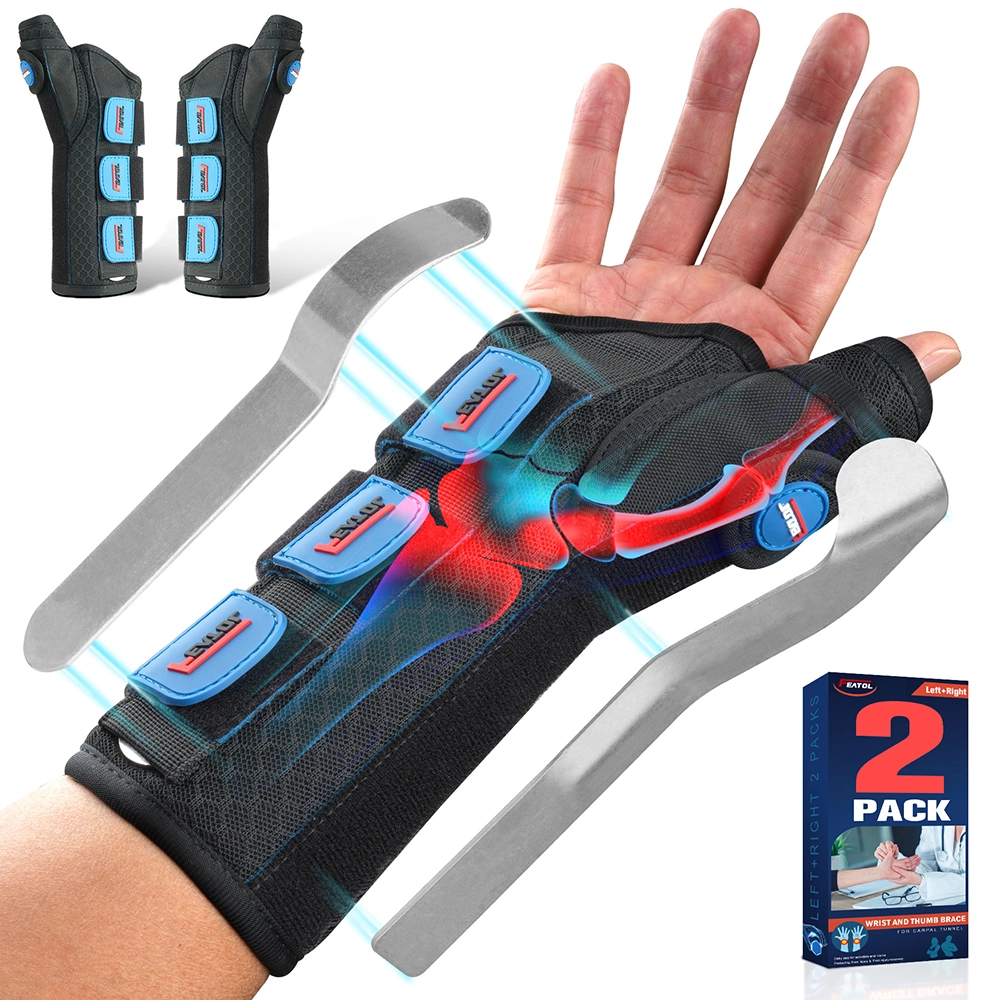
The FEATOL Thumb Brace incorporates key features that support effective healing:
- Stabilization:
Provides targeted support to protect injured ligaments while maintaining functional movement
- All-Day Comfort:
Breathable mesh and adjustable straps ensure comfortable wear during prolonged use
- Discreet Design:
Low-profile construction fits comfortably under gloves and sleeves for everyday wear
These features make it a practical option for managing recovery while maintaining daily activities.
Using Your Brace Correctly: Tips for Best Results
A thumb brace can support recovery and prevent further injury when used correctly. These suggestions can help you achieve maximum benefit from your brace during your recovery:
- Wear Time
Wear during activities that strain the thumb—like typing, lifting, or writing. Remove during rest unless your doctor advises otherwise. Avoid over-relying on the brace so your muscles stay engaged.
- Fit Tips
Adjust straps for a snug—not tight—fit. Make sure the brace stays in place without limiting wrist or thumb movement. You should feel support, not pressure.
- Keep in Mind
Follow your provider’s instructions. Keep the brace clean and listen to your body—if something hurts, ease up.
Used right, your thumb brace can help you stay comfortable and active.
Regain the Power of a Pain-Free Life
Gamekeeper’s thumb doesn’t have to keep you sidelined. With a little care and good support, you’ll be back to moving comfortably before you know it.
Ready to find the right support? If you’re dealing with Gamekeeper’s Thumb, explore the FEATOL Thumb Brace. It gives you steady support and all-day comfort, so you can wear it throughout your recovery without skipping a beat.
Real Stories
“Apparently I tore a ligament during my last trip to Vail. The pain was brutal every time I tried to grip anything at my construction job. I picked up the FEATOL brace at my ortho’s suggestion, and it literally saved my season. Wore it under my work gloves all day and even back on the slopes six weeks later. That rigid splint made all the difference – could finally grip my tools without wincing.”
— Mike, 34, Construction Site Supervisor, Denver, Colorado
“After 30 years of gardening here in Ohio, my hands were telling me enough was enough. The constant ache in my right thumb made it impossible to deadhead my roses or can vegetables last summer. My physical therapist recommended trying a thumb spica splint during heavy garden work. The support immediately took pressure off that painful joint – I’m back to puttering in my greenhouse pain-free. Sometimes simple solutions work best.”
— Eleanor Jenkins, 48, Gardener, Cleveland, Ohio
Frequently Asked Questions
- What’s the difference between these two types of support?
The main difference comes down to how much support you need. A thumb brace offers comfortable support for everyday aches and minor strains. For more significant injuries, a thumb spica splint provides stronger, more rigid stabilization. - When would someone need the more supportive option?
For injuries that require keeping the joint completely still to heal properly, a thumb spica splint is often the go-to choice. - How long should these supports be worn daily?
It depends—some people only need their brace for heavy tasks, while others wear it all day, depending on their thumb’s condition. - Can these help with both injury recovery and prevention?
Absolutely. A lot of people wear these braces both during recovery and as protection during activities that strain the thumb. - How do I know which size to choose?
Most brands include easy-to-use size charts—just measure around your palm to find your fit. Stick to the sizing guide—getting the right fit makes sure your brace is both comfortable and effective. - Are these comfortable for all-day wear?
Modern designs prioritize both support and comfort, with many users finding them comfortable for extended wear. Breathable materials and adjustable straps help customize the fit.
Get more FEATOL Thumb Brace @ FEATOL.com
References
CDC – National Center for Health Statistics.
PubMed – Trigger Finger and Related Thumb Disorders.
PubMed Central – Clinical Characteristics and Management of Thumb Conditions.