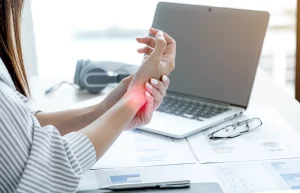

A bicep tendonitis brace can reduce strain on the upper arm tendon and provide stable support during daily activity. Your arm holds the quiet memory of every lift and strain—the grocery bags that grew heavier with each step, the hours of stillness at your desk that settled into a deep, persistent protest. This isn’t just fatigue; it’s your body’s direct communication, a signal often pointing to the common yet limiting reality of bicep tendonitis.
To address this discomfort, start with awareness. Understand the difference between muscle fatigue and tendon strain. Think about how targeted support can change how force moves through the arm. Sometimes, managing the condition means looking beyond rest or ice—toward solutions that work with the body’s mechanics during the activities that matter most.

The Engineering of Support: A Deconstructed View
When dealing with arm pain from issues like bicep tendonitis, it helps to understand how modern support works. Let’s break down the key principles.
- Targeted Material Science
Modern sleeves use graduated compression—strategic pressure that stabilizes tissue while promoting circulation. This design also enhances proprioception, your body’s natural joint awareness. Paired with breathable fabrics, the material ensures support without discomfort during extended wear.
- An Anatomical Design for Dynamic Movement
A functional bicep tendonitis brace is cut to match your arm’s anatomy. It contours the bicep, tricep, and elbow, creating an integrated support system. This design provides dynamic stabilization—guiding muscles and tendons through their natural motion without restricting it.
- The Core Principle: Support as a Temporary Bridge
The true purpose of any support tool is to aid recovery, not replace it. A bicep compression sleeve should be seen as a bridge. It offers stability during daily tasks or moderated activity, helping you stay mobile while addressing strain. Ultimately, it creates the protected environment needed for true recovery—strengthening muscles and improving movement patterns so you rely on it less over time.
The Psychology of Wearing It: More Than Just a Sleeve
Putting on a bicep compression sleeve is often a mindful act. Sliding it into place—feeling the gentle compression settle around your arm—creates a distinct mental signal. This simple action marks a transition from a general state to one of focused readiness or intentional support, helping shift your mindset whether you’re preparing for activity or managing bicep tendonitis.
More Than a Brace: The Unspoken Statement
A sleeve often communicates something about your approach to your body. In active settings, it’s seldom a sign of weakness. Instead, it’s a mark of experience—a quiet declaration that you understand your limits and prioritize long-term health. In everyday or professional life, wearing a supportive sleeve can be a form of proactive self-care, signaling that you’re taking steps to maintain your well-being and performance throughout the day.
Finding the Sweet Spot Between Support & Sensation
The central challenge in designing an effective support sleeve is balancing stability with freedom. The goal is to find a clear middle ground.
We want a design that feels light during rest. It should also provide firm support when your muscles are active. This way, it gives help exactly when and where you need it.
Beyond the Arm: The Philosophy of Intelligent Support
The ideas behind a good support system go beyond just the physical. This applies to both your body and daily life. A bicep compression sleeve or a bicep tendonitis brace works on key ideas that can help with sustainability.
The Framework of Intelligent Support
Consider how the core functions of a sleeve map to sustainable living:
- Support mirrors your foundational assets
Core skills, financial security, and reliable relationships. These act as your “muscle” under pressure.
- Buffer reflects your shock absorbers
Emotional regulation practices, dedicated rest, and hobbies. They are the “cartilage” that absorbs daily impacts.
- Recovery represents your renewal systems
Quality sleep, regular time off, and mindfulness. This is the “circulation” that allows mental and physical resources to rebuild.
- Reminder aligns with your internal feedback
Calendar boundaries, body cues, and personal values. These act as the “proprioception” that signals when you’re nearing a limit.
The Core Principle: Prepared Tension
True resilience operates on a principle of prepared tension—a dynamic balance between forward effort and intelligent support. This philosophy applies to both physical support and sustainable living.
It’s not just about strict protection. It’s about building a system that is stable and flexible. This way, you can face challenges without shaking your foundations.
The Necessity of Unsupported Moments
Equally critical is the strategic choice to not use support. Just as over-reliance on a brace can hinder natural strength development, avoiding all pressure in life can weaken adaptability. Purposeful, measured exposure to challenge is what builds durable capacity. The ultimate aim of any supportive tool or system is to foster enough innate strength that its use becomes a mindful option, not a permanent necessity.
Your Personal Framework for Strength
Ultimately, the FEATOL sleeve is more than a bicep tendonitis brace; it’s a tool that embodies a principle. It recognizes that strength and vulnerability often share the same source. True resilience comes from managing that tension—not through rigid restriction, but with intelligent, adaptable support that allows for action while protecting your foundation.
A Simple Self-Assessment
Consider if a supportive sleeve might be a relevant tool for you right now:
- Do you feel lingering soreness in your upper arm or elbow after activities involving lifting, pulling, or pushing?
- Does your work or daily routine involve repetitive arm motions or prolonged static positions?
- Do everyday tasks like carrying groceries or household chores often lead to elbow or forearm discomfort?
- Are you looking for proactive support during demanding activities, or managed support during a recovery period?
Understanding your own patterns is the first step toward integrating smarter support—for your arm, and beyond.

FEATOL Voice
“On the job, my arms take a beating. This sleeve gives me the right kind of support—stays put, breathes well, and takes the edge off the daily strain. It’s a practical tool that helps me manage the wear and tear.”
—Carlos R., 38, Construction Foreman, Florida
“Between long hours at the desk and climbing sessions, my elbows were always talking to me. This sleeve is my go-to for both. It’s unobtrusive enough to wear while working, and provides that subtle, supportive feedback I need when I’m on the wall.”
—Anya P., 30, Graphic Designer, Colorado

Frequently Asked Questions
- How do I choose the right size?
Measure the circumference of your arm at its fullest point (typically the mid-bicep). Refer to our specific sizing chart. A proper fit should feel snug and supportive without cutting off circulation or causing numbness. - How long should I wear it each day?
Many users wear it during specific activities that cause strain (like lifting, repetitive work, or sports) and for a few hours afterward. We do not recommend wearing it continuously for 24 hours, as your skin and muscles benefit from periods of unrestricted movement and air. - Can I wear it to sleep?
Some users find it helpful for managing nighttime discomfort, especially during flare-ups. If you choose to wear it overnight, ensure it’s not too tight and monitor your skin for any irritation. For most, using it during waking hours provides sufficient benefit. - Does this sleeve replace a doctor’s advice or physical therapy?
No. This product is a supportive tool, not a medical treatment. If you have an acute injury, severe pain, or a chronic condition like bicep tendonitis, you should consult a healthcare professional for a proper diagnosis and treatment plan. - How do I wash and care for it?
Hand wash in cool water with mild soap and air dry flat. Stay away from bleach, fabric softeners, and high heat from dryers. These can damage the technical fibers and elastic properties over time.