
Brace cleaning is the simplest way to keep your thumb brace, back brace, and other supports fresh, comfortable, and effective. If you wear a brace daily, sweat, skin oils, and friction can build up fast—causing odor, irritation, and weakened Velcro over time. In this guide, you’ll learn a safe, step-by-step brace cleaning routine that protects fabrics, splints, and straps while extending your brace’s lifespan.
Introduction
Braces help support an injury so you can heal and get better. To make sure your brace—whether it’s for your thumb, back, or anything else—lasts longer and works right, it needs proper care.
In this post, we will guide you through the cleaning process for thumb braces, back braces, and other common support devices. Regular cleaning not only keeps your braces working effectively but also helps prolong their lifespan.
Why Brace Cleaning Matters for Comfort and Hygiene
Your supports require regular cleaning, just like your favorite workout clothes. Whether it’s a thumb stabilizer or a back brace, these items sit against your skin all day. This means they come into contact with sweat, oils, and everyday friction, which can cause them to wear out over time.
Proper cleaning of your supports helps to:
- Prevent skin infections or irritation
- Maintain material elasticity and support
- Extend the product’s lifespan
- Eliminate odors, especially after prolonged use
Neglecting to clean your supports can lead to material degradation, reduced effectiveness, and hygiene risks. Below is a detailed guide on how to properly clean your braces.
Understanding Material Determines Cleaning Method
Always identify the material of your protective gear before cleaning it. Using the wrong cleaning method can reduce its effectiveness.
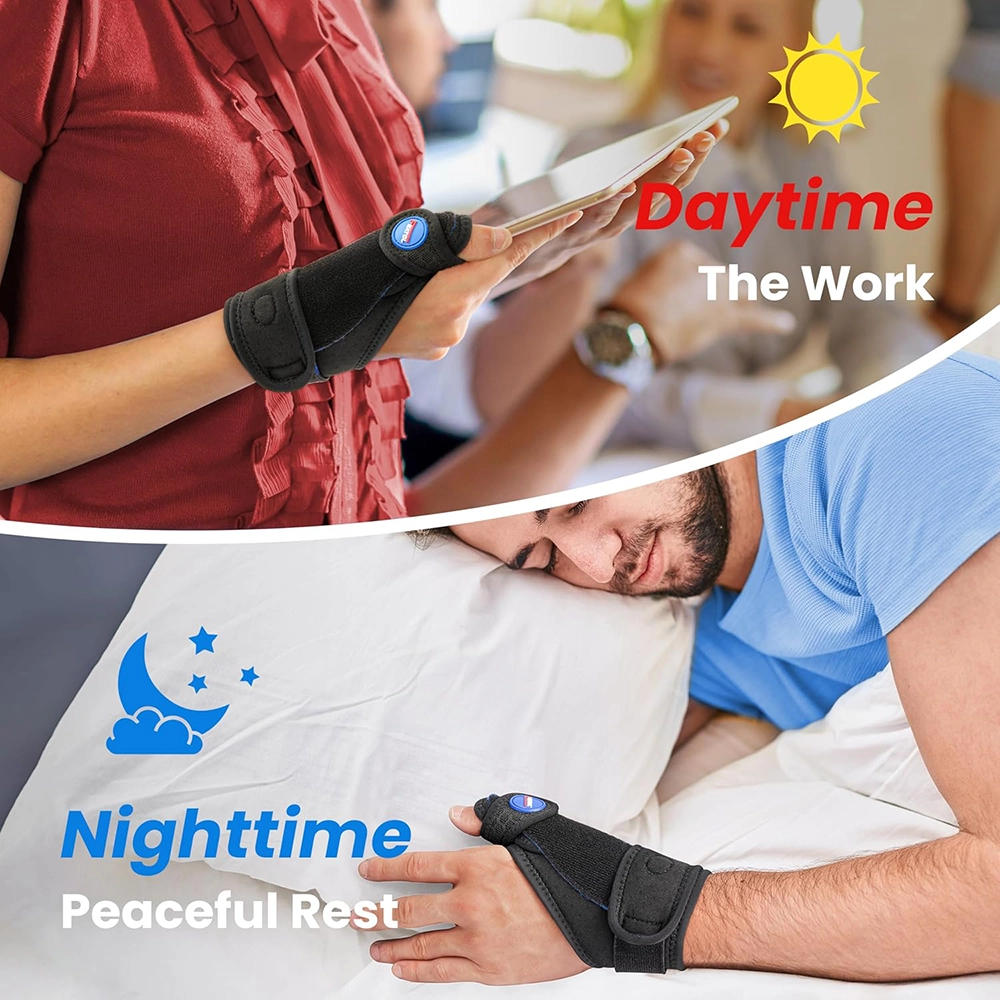
Thumb Guards: These typically include breathable neoprene, adjustable straps (often Velcro), and metal or plastic splints. Clean gently to maintain the snug fit and support around the thumb and wrist.
Back Braces: Typically feature high-strength materials like reinforced nylon, latex-free elastic fabrics, neoprene, or mesh panels. Some braces include hard plastic frames for additional back support, which require extra care during cleaning.
Tip: Always consult the care label first. If there is no label, the cleaning methods outlined below will work for most braces.
Consistent brace cleaning is the easiest way to protect your skin and keep your brace performing like new.
Brace Cleaning Step-by-Step (Hand Wash + Air Dry)
Brace Cleaning: When cleaning thumb guards or back protectors, gentle hand washing is the safest and most effective method. Avoid using a washing machine unless the care label specifically permits it.
Items Needed:
- Warm water
- Mild detergent (such as dish soap or gentle laundry detergent)
- Soft cloth or sponge
- Towel
Thorough hand washing:
- Fill a basin with warm water and add a small amount of mild detergent.
- Submerge the protective gear in the water and gently swish it around by hand.
- Use a soft cloth to wipe down the padding, straps, and all plastic or metal components.
- Pay special attention to Velcro straps—long-term buildup can reduce their adhesive strength.
- Rinse thoroughly: Rinse away all soap residue with cool, clean water. Residual soap can irritate the skin.
Proper Drying:
- Place the brace between clean towels and gently press to absorb moisture. Do not twist or wring, as this may damage the structure.
- Lay flat or hang in a well-ventilated area, avoiding direct sunlight and heat sources.
- Only wear or store the brace once it is completely dry.
- Note: Do not use bleach, harsh chemicals, or hair dryers, as these can damage the material and weaken the support.
Tip: For best results, follow this brace cleaning routine at least once a week (or more often after heavy sweating).
Brace Cleaning Mistakes to Avoid (Heat, Bleach, Machine Wash)
Even with the best intentions, it’s easy to make mistakes during brace cleaning. Here are common errors to avoid:
- Machine Washing or Drying: The agitation and heat can warp plastic/metal components, weaken seams, and damage Velcro.
- Using Harsh Cleaners: Products like bleach or strong solvents can degrade fabrics and elastic materials.
- Excessive Heat: High temperatures (from hot water or dryers) can cause neoprene to crack and elastic to loosen.
- Wringing the Brace: This can misalign supportive elements and alter the fit.
By steering clear of these mistakes, you can help maintain the integrity and effectiveness of your braces.
Tips for Maintaining Your Brace
Brace Cleaning: Good care goes beyond just cleaning. Here’s how to keep your thumb brace or back brace in excellent condition:
- Clean Regularly: Clean the brace after each use or at least once a week if you wear it frequently.
- Store Properly: Keep the brace in a cool, dry place. Avoid folding it in a way that could bend any supportive stays.
- Inspect Frequently: Regularly check for signs of wear, such as frayed straps, loose stitching, or deformed splints. If the brace no longer provides adequate support, replace it.
- Rotate When Possible: If you wear a brace daily, consider having a second one to alternate between uses. This practice extends the life of both braces.
Real Stories
“As a nurse working 12-hour shifts in the ER, my lumbar support belt has become essential equipment. Initially, I just wiped it down, but after learning the proper cleaning method, I started hand-washing it weekly. This not only keeps it odor-free but also helps maintain the Velcro’s stickiness for a longer period. After six months of use, it still provides the same solid lumbar support as it did when it was new. ”
—Sarah Chen, Nurse, Chicago, IL
“I wear a thumb brace for arthritis, and I once made the mistake of damaging it by using harsh cleaners. Since I switched to mild soap and air-drying, the lifespan of the brace has doubled. The compression remains consistent, and I no longer experience skin irritation from cleaner residue.”
—Linda Patterson, School Teacher, Portland, OR

Frequently Asked Questions For Brace Cleaning
- How often should I clean my thumb brace or back brace?
For daily use, it’s ideal to do a light wipe-down after each wear and a deeper clean once a week. If you tend to sweat heavily or use the brace during physical activities, you should clean it more often. - Can I speed up the drying process?
Yes, you can place the brace in a well-ventilated area with a fan nearby to help it dry faster. However, avoid using radiators or hairdryers, as high heat can damage the materials. - How should I handle unpleasant odors from my brace?
Yes, you can place the brace in a well-ventilated area with a fan nearby to help it dry faster. However, avoid using radiators or hairdryers, as high heat can damage the materials. - Is it safe to use alcohol-based wipes?
Yes, alcohol-based wipes are acceptable for quickly cleaning non-fabric parts, like plastic splints. However, avoid using them frequently on neoprene or elastic materials, as alcohol can dry them out. - Is it acceptable to machine wash a neoprene thumb brace?
We do not recommend machine washing neoprene braces. The spin cycle can damage the stitching and affect the brace’s effectiveness. Instead, hand wash it using cool water and mild soap, and then air dry it away from direct heat. - How long should a quality back brace last with proper care?
A good back brace should last 6 to 12 months with daily use. Regular cleaning and proper storage will help it keep its support. Signs that it needs replacement include stretched elastic, weakened support, or visible wear on the straps and fasteners.
Final Thoughts Of Brace Cleaning
Your thumb brace or back brace plays a crucial role in your daily comfort and mobility. Regular cleaning of your brace isn’t just a chore; it’s an essential practice that protects both your investment and your well-being.
By following these steps, you can keep your brace fresh, functional, and ready to support you every step of the way. When in doubt, always refer to the guidelines. Lastly, when it’s time for a new brace, look for one that offers a good balance of quality, comfort, and ease of care.
Take care of your brace, especially for brace cleaning, and it will take care of you.
Explore more FEATOL @FEATOL.com
References for brace cleaning: